

In this episode, Dr. Aditya Bagrodia is joined by Dr. Kara Watts, Dr. Minhaj Siddiqui, and Dr. Arvin George to break down the modern approach to active surveillance for prostate cancer. The group begins by reviewing the initial diagnostic workup, including when to obtain prostate MRI, how resource limitations influence imaging decisions, and why discussing the diagnosis in person can help ease patient anxiety. They also highlight the value of sending patients vetted educational materials—such as through WellPrept—to improve understanding and support shared decision making.
The conversation then turns to surveillance strategies during the first year after diagnosis. The physicians discuss timing of follow-up MRI, the role of confirmatory biopsy, and how patient personality, preferences, and anxiety levels shape surveillance schedules. They also address the potential benefits of reframing Grade Group 1 disease to reduce stigma and financial toxicity, and the ethical considerations around declining to treat patients who push for unnecessary intervention.
Finally, the experts explore factors that may prompt treatment rather than surveillance—including family history, BRCA mutations, lower urinary tract symptoms (LUTS), and select molecular biomarkers. They clarify misconceptions about high- vs low-volume cancer, emphasize the importance of careful patient selection, and share their own surveillance protocols. The episode concludes with practical advice on transitioning patients off active surveillance when disease stability has been firmly established.
Contributors:
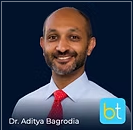
Dr. Aditya Bagrodia is an associate professor of urology and genitourinary oncology team leader at UC San Diego Health in California and adjunct professor of urology at UT Southwestern.

Dr. Arvin George is an associate professor of urology at the University of Michigan in Ann Arbor.

Dr. Mohummad Minhaj Siddiqui is the director of urologic oncology and robotic surgery at the University of Maryland Medical System in Baltimore.

Dr. Kara Watts is an attending urologist and associate professor with Montefiore Medical Center in New York.