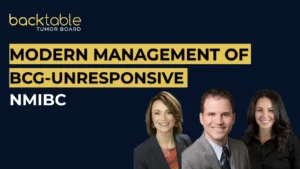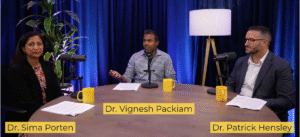
Drs. Merill, Schmidt, and Tyson tackle a central frustration in contemporary NMIBC care: sequencing is often driven more by what’s available than by mechanism, with combination strategies frequently built on “it works here, it works there, let’s try both.” It digs into the practical reality of counseling patients when head-to-head sequencing data are lacking, including how travel burden, trial feasibility, and limited subgroup representation (especially T1/CIS) shape real-world decisions. The group highlights why T1 disease deserves “high-stakes” framing, and why extrapolating from approved-therapy trial populations requires transparency. Practical experience with intravesical chemotherapy regimens underscores the ongoing push for better-tolerated, durable bladder-sparing options as trials mature.
Contributors:

Dr. Suzanne Merrill is a urologic oncologist with Colorado Urology in Denver, Colorado.
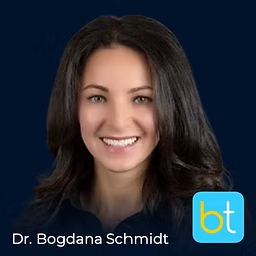
Dr. Bogdana Schmidt, MD, MPH, is a urologic surgeon specializing in urologic oncology at the University of Utah in Salt Lake City, Utah.
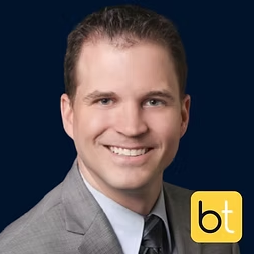
Dr. Mark Tyson is a urologic oncologist and professor of urology with Mayo Clinic in Scottsdale, Arizona.