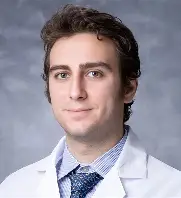
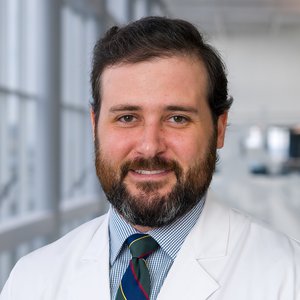
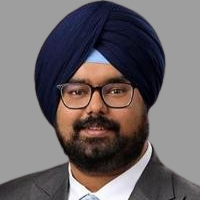
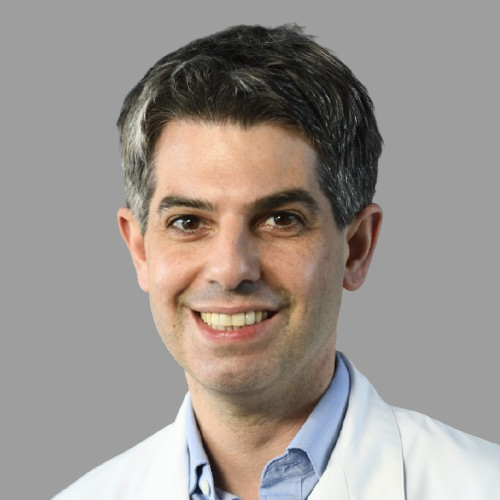
In this episode of The Gut-Onc Lab, Drs. Nicholas Hornstein, Timothy Brown, and Udhayvir Grewal welcome physician-scientist Dr. Mark Yarchoan (Johns Hopkins / Sidney Kimmel Comprehensive Cancer Center) to navigate the rapid evolution of hepatocellular carcinoma (HCC) management. Moving away from the era when single-agent TKIs offer limited survival extension at high toxicity costs, the panel outlines how modern immune checkpoint combinations and redefined staging guidelines are transforming clinical expectations.
Key discussion points include:
- The Frontline IO Framework: Dr. Yarchoan details his decision matrix for choosing between the three primary frontline combinations:
- Second-Line Sequencing Realities: Why TKI-naive post-IO patients should transition to frontline-caliber TKIs (like lenvatinib), while atezo/bev progressors derive long-term durability from CTLA-4 salvage doublets (Ipi/Nivo) if they suffered primary non-response.
- Updating the Staging Paradigm (BEACON vs. BCLC): Why the classic Barcelona Clinic Liver Cancer (BCLC) system over-simplifies micro-vascular invasion as non-curable, and how the emerging BEACON guidelines incorporate SBRT, Y-90, and multidisciplinary down-staging pathways.
- Post-ASCO 2026 Local-Regional Updates: Analyzing EMERALD-3 and ABC-HCC—explaining why administering dual checkpoint immunotherapy before TACE preserves the tumor microenvironment for superior antigen presentation, and why TACE is increasingly shifting toward oligoprogressive control rather than diffuse intermediate-stage deployment.
- The Histotripsy Reality Check: A candid evaluation of non-invasive ultrasound cavitation, contrasting Facebook marketing claims against the HOPE Liver trial data regarding high local failure rates, treatment-related mortality, and general anesthesia requirements compared to established microwave ablation.
Chapters:
You can find us on X:Gut Onc Lab (@TheGutOncLab) / X